Exploring the Aluminum Foundry: Processes and Innovations in Metal Casting
Inside the aluminum foundry, a change is taking place. Traditional casting methods are being augmented by modern technologies. Techniques like sand-based casting and die casting are evolving, while breakthroughs such as three-dimensional printing and robotic technology redefine the frontiers of productivity. Environmental responsibility is becoming a focal point, encouraging the industry to adopt environmentally friendly practices. As these changes emerge, one must examine the impact for the future of casting technology and the industries it supports.
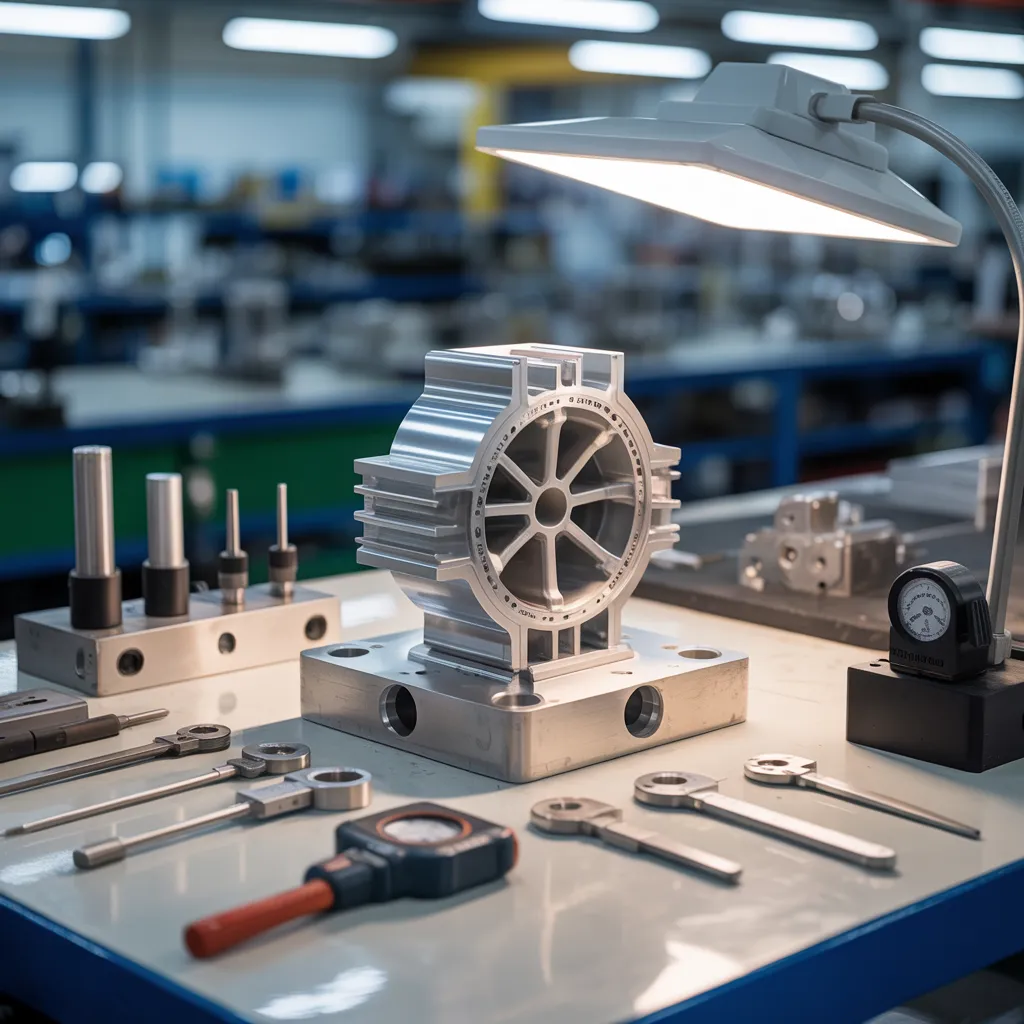
The Basic Principles of Aluminum Casting Processes
Aluminum casting techniques represent the foundation of modern manufacturing, making possible the development of lightweight yet durable components. These techniques require heating aluminum and introducing it into molds to produce specific shapes and configurations. The versatility of aluminum allows for numerous applications spanning various industries, including aerospace, automotive, and consumer goods.
The primary techniques of aluminum casting consist of sand casting, die casting, and investment casting, each offering distinct advantages. Sand casting utilizes a blend of sand and binder materials to create molds, while die casting uses solid metal molds for large-scale production and accuracy. Investment casting, alternatively, offers outstanding surface finishes and detailed designs.
Despite their differences, all methods require careful temperature control and quality management to maintain the quality of the end result. As producers push the boundaries of innovation, the performance and reliability of aluminum casting methods continue to be vital for progressing contemporary engineering innovations.
Key Techniques in Molding and Pouring Aluminum
In the domain of aluminum casting, proper molding and pouring approaches are critical for delivering high-quality results. Sand molding techniques provide adaptability and economic value, while die casting techniques ensure accuracy and uniformity in manufacturing. Comprehending these primary techniques is critical for improving the aluminum casting process.
Sand Molding Techniques
Multiple sand molding processes are essential to the efficient molding and pouring of aluminum. These processes chiefly encompass green sand mold making, where a blend of sand, clay, and water is used to produce molds that are strong and adaptable. In addition, resin-coated sand molds provide superior strength and surface quality, making them suitable for complex designs. A further method, lost foam molding, utilizes a foam model that evaporates during the aluminum pouring phase, creating exact forms with reduced machining requirements. All techniques present unique benefits, including cost efficiency or improved detail, enabling foundries to identify the optimal approach relative to production specifications and the sophistication of the aluminum pieces being fabricated.
Die Casting Methods
Die casting techniques serve as a vital aspect of aluminum manufacturing, offering precision and efficiency in production. This method entails pushing melted aluminum into a metal die under elevated pressure, allowing for intricate designs and tight tolerances. Two principal approaches prevail in manufacturing: hot chamber and cold chamber casting methods. Hot chamber die casting is well-suited for low-melting-point alloys, because it limits oxidation through reduced air exposure. In contrast, cold chamber die casting is best suited for alloys requiring higher temperatures, requiring separate melting and injection systems. Both approaches deliver swift production processes, reducing waste and enhancing dimensional accuracy. As industries increasingly demand lightweight components, these molding processes persist in developing, incorporating cutting-edge innovations to address contemporary production demands.
Innovative Technologies in Aluminum Casting
With progress in materials science keep advancing, aluminum casting is undergoing a significant shift driven by innovative technologies. A key advancement includes the incorporation of 3D printing, which enables the swift development of complex molds and cores, greatly reducing lead times and costs. Furthermore, the use of advanced simulation software allows foundries to improve casting procedures, minimizing defects and improving material yield.
One additional groundbreaking technology encompasses the integration of robotic automation, which improves accuracy and productivity in handling materials and executing repetitive tasks. Furthermore, the deployment of real-time monitoring systems enabled by IoT devices facilitates better quality control by providing immediate feedback on process parameters.
These advancements not only simplify processes but also improve the overall standard of aluminum castings, setting the industry up for future expansion and competitiveness. As these technologies become more mainstream, they promise to reshape the landscape of aluminum casting considerably.
Ways Aluminum Casting Can Be Sustainable
As the aluminum casting industry encounters increasing pressure to adopt sustainable practices, a number of approaches are surfacing to tackle ecological challenges. One significant approach is the enhanced recycling of aluminum, which considerably decreases power demands and harmful gas output relative to virgin material manufacturing. By utilizing scrap aluminum, manufacturing plants can cut down on material waste and decrease their ecological footprint.
Furthermore, many foundries are adopting sustainable technologies, such as electric melting systems and superior insulation, to reduce energy use during the metal melting process. The integration of closed-loop water recycling systems also supports water preservation, a critical resource in casting operations.
In addition, implementing green practices and materials, encompassing eco-conscious binders and low-emission surface treatments, supports a greener manufacturing cycle. These initiatives not only satisfy sustainability regulations but also meet the expanding demand for environmentally conscious manufacturing, placing the aluminium casting sector as a proactive contributor in eco-conscious progress.
Improving Efficiency Through Technology in Aluminum Foundries
The adoption of technological advancements in aluminum foundries serves a critical function in boosting production efficiency. Automation streamlines processes, while smart monitoring systems provide real-time insights into production metrics. go to article Furthermore, advanced analytics platforms allow foundries to improve output and decrease material waste, driving innovation in the industry.
Automated Processes in Metal Casting
How does automation have the power to revolutionize aluminum foundry operations? Automation introduces advanced technologies that streamline processes, greatly enhancing operational efficiency. By integrating robotics and automated machinery, foundries can achieve precise material handling and reduce human error during casting operations. This transition not only speeds up production rates but also ensures uniform quality in completed products. Automated systems can manage tasks such as mold preparation, pouring, and cooling, allowing skilled workers to focus on more complex challenges. Moreover, data-driven analytics can enhance production schedules and resource management, additionally maximizing overall output. The implementation of automation promotes a safer workplace by reducing manual labor hazards, ultimately enabling aluminum foundries to address growing market demands with flexibility and dependability.
Smart Monitoring Systems
Transforming the working environment of metal casting operations, smart monitoring systems utilize live data streams to improve operational efficiency. Such sophisticated solutions integrate IoT-enabled sensors to consistently track essential metrics such as material flow, temperature, and pressure levels. By offering immediate operational data, they allow plant operators to act decisively, spotting emerging issues before they develop into major concerns. This preventive methodology limits operational disruptions and cuts waste, translating into measurable financial benefits. Furthermore, smart monitoring systems facilitate improved resource allocation by examining consumption trends and refining production processes. As a result, metal casting facilities can produce superior results while upholding environmentally responsible operations, establishing a strong competitive position in a challenging marketplace. Such technological adoption represents a major advancement in foundry innovation.
Data Analysis Applications
Drawing from the progress in intelligent monitoring solutions, data analytics tools are revolutionizing aluminum foundries by harnessing vast amounts of operational data. These applications enable foundries to examine manufacturing patterns, pinpoint operational weaknesses, and predict equipment failures before they occur. By employing machine learning algorithms, foundries can optimize melting processes and enhance alloy compositions, leading to higher quality outputs. Additionally, data analytics supports real-time decision-making, permitting staff to fine-tune variables instantly and minimize material loss. The integration of predictive analytics helps in scheduling maintenance, thereby minimizing downtime. In summary, data analytics not only optimizes workflows but also cultivates a culture of perpetual refinement, steadily enhancing financial performance and environmental responsibility within the aluminum casting industry.
Emerging Trends in Aluminum Casting Operations
In the rapidly evolving landscape of industrial production, a notable transformation is taking place in aluminum foundry operations. Industry participants are increasingly integrating advanced technologies such as artificial intelligence, automation, and machine learning to improve operational efficiency and accuracy. Such advancements enable real-time monitoring of casting processes, allowing for immediate adjustments and minimizing defects.
Sustainability represents another critical trend; foundries are adopting eco-friendly practices, which include recycling scrap aluminum and minimizing energy usage. Additive manufacturing techniques are also gaining traction, allowing the creation of intricate geometries that conventional methods cannot produce.
In addition, the requirement for lightweight materials in aerospace and automotive industries is driving the progression of advanced aluminum alloys. As these patterns merge, the aluminum casting market is set for a new era of transformation, characterized by greater competitiveness and a commitment to green manufacturing practices.
Frequently Asked Questions
Which Safety Measures Are Critical in Aluminum Foundries?
Essential safety measures in aluminum smelting operations consist of proper ventilation, required personal protective equipment (PPE), scheduled equipment servicing, training in emergency procedures, and compliance with safety guidelines to ensure worker wellbeing and minimize workplace accidents.
How Do Temperature Fluctuations Affect Aluminum Casting
Temperature inconsistencies are known to cause irregular cooling speeds in the aluminum casting process, resulting in defects like cracks or warping. Ensuring temperature stability is critical for ensuring even solidification and desirable mechanical qualities in the final product.
What Are the Most Common Defects Found in Aluminum Castings?
Typical flaws in aluminum castings include porosity, shrinkage, misruns, cold shuts, and inclusions. These defects develop from factors like inadequate temperature management, insufficient mold configuration, and impurities, ultimately affecting the integrity and functionality of the castings.
How Is Quality Control Maintained in Aluminum Foundries?
Quality control in aluminum foundries is maintained through stringent inspection procedures, adherence to industry standards, routine equipment calibration, and constant monitoring of casting parameters, securing consistency and eliminating defects throughout the entire production process.
What Certifications Do Aluminum Foundries Commonly Need?
Aluminum casting facilities generally need certifications including ISO 9001 for managing quality standards, ISO 14001 for managing environmental compliance, and specialized industry benchmarks like ASTM or SAE to guarantee compliance with safety and quality standards in metal casting.